Showing posts with label mexican food. Show all posts

Sunday, December 27, 2009

Fried Quesadillas

Ingredients:

1 lb fresh masa
1/2 lb block of your favourite cheese
Cubed and cooked potatoes, cooked chorizo, green chillies for topping
Oil or lard for frying

Fried Quesadillas

Preparation:

Divide the masa into 10 balls and roll each ball between two pieces on a floured surface to about 4 inches across, or use a tortilla press. Now properly cut cheese into 10 strips and place one in the center of the tortilla.

After this fold tortilla in half and press edges and seal them in a proper way. Fry them in hot oil until it becomes golden brown and crispy.

If fresh masa is not available than simply mix two cups of masa harina and 1 1/2 cups of warm water and knead for about one minute to make a dough. Crispy, crunchy Mexican fried quesadillas are ready to munch. Share and enjoy!!!!

Monday, December 7, 2009

Mexican Chicken Bake

Ingredients:

1 can evaporated milk
4 cups cooked long grain rice
3 to 4 cups cubed cooked chicken
3 cups Colby-Monterey Jack cheese, divided
1 medium onion, finely chopped
1 small green pepper, chopped
2 large jalapeno peppers, seeded and chopped finely
1/4 cup butter
2 cans condensed cream of chicken soup, (do not dilute)

Mexican Chicken

How to make:

Take a large skillet, saute the onion, green pepper and jalapeno peppers in butter until it becomes tender. In a large bowl, combine milk and soup and stir well the rice, chicken, 2 cups cheese and onion mixture.

Take a greased 13 inches x 9 inches of baking dish and transfer the cooked ingredients to it. Bake, uncovered, at 350° for 25 minutes. Sprinkle with the remaining cheese. Again bake it for 5-10 minutes or until the cheese gets melted. Yummy, Mexican chicken bake is ready to eat.

Friday, December 4, 2009

Homemade Flour Tortillas

Ingredients:

1 1/2 cups water
2 tbsp lard
4 cups all-purpose flour
1 tsp salt
2 tsp baking powder


Homemade Flour Tortillas

Preparation:

After whisking the flour, salt, and baking powder altogether in a mixing bowl, mix in the lard with your fingers until the flour resembles cornmeal. Now add the water and mix until the dough comes together.

Place on a lightly floured surface and knead a few minutes until becomes smooth. Now divide the dough into 24 equal pieces and roll each piece into a ball.

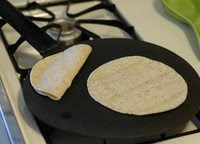
Next step is that preheat a large skillet over medium-high heat. With the help of a well-floured rolling pin to roll a dough ball into a thin, round tortilla.

Place into the hot skillet, and cook until it turns golden. Flip and continue cooking until puffs a bit and turns golden brown from both the sides. Likewise cook the rest of the tortillas. After the tortillas have cooled completely, store them in a plastic bag. Your Mexican homemade flour tortilla is ready to relish.

Monday, November 30, 2009

Mexican Posole Stew

Ingredients:

4 dried hot red chilly pepper pods, diced and seeded
2 pounds boneless pork loin, cubed
8 ounces fried pork skins
2 pig's feet
1 tbsp salt
2 (15 ounce) cans white hominy, drained
1 tsp dried oregano
2 crushed garlic cloves
2 tbsp properly chopped onion

Mexican Posole Stew


Method:

To make Mexican Posole Stew place meat, pork rinds and pork shanks in a large kettle and add enough water to cover meat. Add approximately 1 tbsp salt and bring this to a boil. Cook over medium heat for about 1 1/2 hours.

Remove excess grease and set aside. Reserve liquid. Now wash the posole carefully until the water is clear so as to remove lime from kernels. Put in large kettle and cover with water. Boil until posole has popped.

Lastly mix meat, posole, rind, and shanks or pigs feet. Add oregano, garlic, onion, and chilly pods. Let simmer for about 1/2 hour and serve the delicious
Mexican Posole Stew. Enjoy!!!!!!

Thursday, August 27, 2009

Mexican Fajita

Ingredients

500 grams beef flank steak or boneless.
1/3 cup lime juice
3 tbsp olive or vegetable oil
1 tsp crumbled dried oregano
2 cloves garlic, crushed
2 tsp ground cumin
1 tsp black pepper
2 medium onions, properly sliced
2 medium green or red peppers, properly sliced
8 to 10 small flour tortillas
For Fajita toppings you need sour cream, guacamole, chopped avocado, shredded cheese, salsa, chopped tomatoes and shredded lettuce.

Mexican Fajita


Method:

Slice the beef or chicken breasts across the grain of the meat. In a small bowl, combine the lime juice, 2 tbsp of the oil, oregano, garlic, cumin and pepper. Mix well all the ingredients and pour into the bag with the meat. Press out as much air from the bag as possible and zip the top closed and refrigerate for 4 to 6 hours or you can also refrigerate it overnight.

Now wrap the tortillas in foil and place in a 250° F oven to warm while you prepare the filling. Heat a large skillet over high flame. Add the remaining 1 tbsp of oil to the skillet and add the sliced onions and peppers. Stir-fry, and keep on tossing until the vegetables soften and become light brown. Remove from skillet, leaving any oil behind.

Then remove the meat from the marinade and add the meat to the pan, tossing constantly until just cooked through. Return the onions and peppers to the skillet, stir in a proper way and then transfer to a serving bowl. Serve this Mexican fajita with warmed tortillas.

Reblog this post [with Zemanta]

Thursday, August 20, 2009

Mexican Manicotti

Ingredients:

2 1/2 cups water
16 oz picante sauce
16oz sour cream
1 cup monterey jack cheese shredded
1/4 cup green onions, sliced
1/4 cup ripe olives, sliced
1 lb lean ground beef
16 oz can refried beans
3 tsp chilli powder
3 tsp oregano
8 oz package manicotti shells

Mexican Manicotti


Method:

Take a bowl and add the uncooked beef, beans, chilli powder and oregano altogether and mix well. Now pour the mixture into uncooked manicotti shells. Place them in greased baking pan.

Then mix water and sauce and pour over manicotti. Cover it properly and refrigerate for about 8 hours. Remove from refrigerator 30 minutes before baking. Cover and bake at 350F for 1 hour.

Uncover, spoon on sour cream. Garnish it with cheese, onions, and olives. Again bake the Mexican Manicotti for 8 minutes more.

Enjoy and share the yummy Mexican Manicotti

Reblog this post [with Zemanta]

Monday, July 6, 2009

Tamales

Tamales
Tools and component to be used

One should bear in mind that you have, or can find, almost entirely all of the ingredients you will require to make tamales. Initially interpret through the recipe for dough to decide what you will need to get. Then, prefer a filling and agree on what other items you will need. You might need a large steamer in which to cook the tamales. This can be a particular tamale steamer, or a large pot with a steaming basket in the bottom. Once you have the steamer and the ingredients necessary you can begin making the tamales.

Consumable time

Making tamales is tricky, but it is a very time intense process. It can take a whole day to arrange a batch of tamales. The dough itself doesn't take that long to arrange, but from time to time the filling will need to cook for a few hours so the meats will turn out to be extremely tender. To save time, arrange the dough and fillings on one day and wrap and steam them on the next.

Making tamale

Start by preparing the dough . Next, prepare the desired fillings you are going to use. Then, prepare the corn husks and wrap the tamales. Steam them in a large steamer for 90 minutes.

Available tamales
They will keep well in the refrigerator for a few days or you can freeze them. They re-heat well in the microwave or a short time in the steamer.

Serving tamale

Traditionally a tamale is served plain, as is. Lately, a lot of restaurants serve them in a sauce that compliments the filling: for example, green chile sauce for pork or chicken, or a red chile sauce for beef. Sometimes tamales are served in the corn husks, and sometimes they are opened and removed for you. Experiment and find out how you prefer to serve them.

Friday, June 26, 2009

A popular cooking utensil from mexico - Comal

Comal
Comal basically a sort of a pan to facilitate cooking of a variety of dishes. It’s redid from cast iron and is incredibly weighty. Whilst you cook through it you should not shift it at all, similar to what you might be doing by means of a wok or a usual frivolous pan. It may come in encircling shapes or in elongated, oblong shapes. One can still find outsized, rectangular diversity that would fit above two burners on a usual stovetop. The Comal has a somewhat irregular facade dissimilar from a non-stick or stainless steel pan.

Coma and its practice

Comal is said to be just right for grilling carne asada (red meats) and vegetables (alike to how they serve up fajitas in American restaurants much alike Chili's and El Torito.) The Comal put in savor to whatsoever you're catering, while their non-stick counterparts proffer no supplementary flavors. It is also that the utensil of preference for cooking tortillas on. You can in addition employ one to rapidly re-heat tortillas as well. A Comal is adaptable because you could use it on the stove, in the oven or even on a grill. Be watchful because they be inclined to be awfully hot and you will necessitate to utilize a kitchen rag or potholders if you require to budge it through the cooking procedure.

Preparing Comal

As soon as you acquire a new Comal, you don't wish for to utilize it with no "seasoning" it first. "Seasoning" is extremely simple, first you desire to wash the pan with temperate soapy water and dried out it thoroughly. Then lightly coat the pan with vegetable oil or shortening, it will prevent the comal from developing rust spots if it comes in contact with water. Put the Comal in a hot oven, at least 350 degrees and bake it for one hour. Remove it, let it cool then wipe off excess residue. Re-apply the oil then heat for an additional hour, turn the oven off and then let it cool in the oven overnight. Wipe off any residues and your comal is now ready for use.

Concentrated effort and heed for a Comal

By no means put a comal in the dishwasher! After cooking with it, simply wipe down the surface with a rag or a sponge. Use a spatula to scrape off any excess food. If necessary, wash the comal in warm soapy water, but make sure to thoroughly dry it immediately to prevent rust. Every once in a while, rub oil on the surface to keep it well seasoned. The more you use a comal, the more flavor it will impart to your food, so use it often. Let the comal change temperatures slowly, do not expose a hot comal to cold temperateures such as cold water, until it has cooled on it's own. If it does develop a crack, it is best to discard it. If it gets rusty, scrub it with steel wool until the rust is removed, rinse thorougly and repeat seasoning instructions above.

Friday, June 19, 2009

Meaning of Mexican food ingredient's in English

Ingredients are an important part for making various preparations in the different cuisines, it is because of these ingredients the dishes get their unique flavor. The names of the ingredients in Mexican cuisine tend to create a slight difficulty in understanding the names, hance this feed is an effort to pull all the people who want to cook Mexican food but keep on looking at the labels of the bottle in a supermarket

1) Ingredients and Terms at a Glance

The translation shown here are from “Spanish to English”
1.Achiote-Annatto, a spice used in the Yucatan region
2.Ajo-Garlic
3.Al Horno- Oven baked
4.Ancho-Dried poblano chile
5.Antojito-Appetizer
6.Arroz-Rice
7.Azucar-Sugar
8.Barbacoa-Barbecue
9.Cafe-Coffee
10.Calabaza-Squash
11.Camarón-Shrimp
12.Carne-Meat, usually beef
13.Carnitas-Shredded, fried pork
14.Cebolla-Onion
15.Chimichanga-Deep fried meat burrito
16.Chipotle-Ripe jalepeno, smoked and dried. Can be canned in Adobo sauce.
17.Chorizo-Spicy sausage
18.Crema-A thickened cream similar to sour cream, but not as tangy.
19.Elote-Corn
20.Ensalada-Salad
21.Galletas-Cookies
22.Habanero-Extremely hot pepper
23.Helado-Ice cream
24.Horchata-Rice beverage
25.Huevos-Eggs
26.Leche-Milk
27.Maize-Corn
28.Mariscos –Shellfish
29.Nopales-Cactus
30.Pan-Bread
31.Pan Dulce-Sweet Bread
32.Picante-Spicy hot
33.Pimienta-Black pepper
34.Pollo-Chicken
35.Puerco-Pork
36.Queso-Cheese
37.Relleno-Stuffed
38.Sal-Salt
39.Sopa-Soup
40.Torta-Sandwich

If you find an ingredient in a recipe or a term used in some instructions and have no idea what it is, check this list.

Monday, June 15, 2009

Tripe from the heart of Mexico

Tripe dish

1) Tripe – what is it?
Within the uncomplicated appearance tripe can be said as stomach (or stomachs) of a domesticated animal. Generally primary three stomachs of a cow are utilized and at times of a pig or sheep stomach can also be used. The initial of the cow’s stomach is the "blanket" tripe, following and most favorite is the "honeycomb" tripe and third usable stomach is the "bible" or "book" tripe. The very last stomach of a cow is infrequently used because of its glandular texture.

2) How is Tripe Prepared? :-
Classification of tripe to be suitable for eating, it must be systematically cleaned. A butcher must also eliminate further bit of chubby and peroxide it, therefore making it look more appetizing. The stomach is boiled temporarily so that the coating can be peeled off. Lining of the stomach is the definite part that is used. Clean tripe is a brownish/greenish khaki color. Yet it doesn't appear rather as tasty, unbleached and uncooked tripe will have more savor. When you get the tripe home it is important to rinse the tripe thoroughly until the water runs clear and there is no residual grittiness. Tripe requires to be cooked for a long time in order to become tender. Simmering it for 2-3 hours is usually sufficient.

3) Tradition in Mexican Cuisine:-
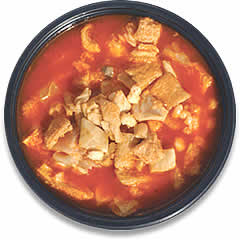
Tripe in Mexico is used for loads of dishes but the most admired one is Menudo which is a soup made with hominy and honeycomb tripe.

4) Gastronomic convention:-
Tripe has been used in almost every country around the world in all kinds of dishes from main dishes to cold salads. In Italy you can enjoy "Trippa alla Fiorentina" in tomato sauce and in Belgium "Tripes a Djotte" a tripe sausage encased in large intestines. Even the well known "Andoille" sausage from France is tripe. In the Southern US it is deep fried in a buttermilk batter.

Wednesday, June 10, 2009

Mexican Cooking Equipment

There are a lot of equipments being extensively used in Mexican cuisine and they could be listed as under :-
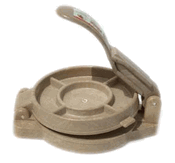
Tortilla Press - Tortillero
formerly ready from wood, they are also prepared of cast iron. It consists of two large round plates or blocks of wood that you set a ball of masa and press as one to structure a tortilla. You might run athwart aluminum versions but they tend to break.

Mexican Pottery Pots - Barro or Olla
Barro factually means "mud" but normally means "clay," and olla means "pot." Ollas are large, cavernous clay pots just right for simmering beans, stews and soups. The clay heats squarely and is just right for all-day cooking over a direct flame. The clay can be breakable and susceptible to swift temperature changes. Cooking in the clay pots imparts an basic flavor to the dish.

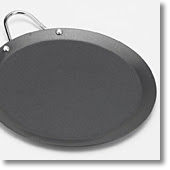
Griddle - Comal
Griddle - Comal
Huge encircling griddle frequently made of clay, aluminum or cast iron but the more contemporary ones regularly have a non-stick finish. They are used to warm tortillas, and roast chilies and vegetables. They can range in size from a large dinner plate to 2 feet in diameter.

Hand Grinder - Metate y Mano
A bulky instrument more often than not made of stone or lava rock. It consists of a outsized stone surface, faintly concave, sitting on 3 short legs. It is typically about the size of a great, rectangular platter. There is a hefty cylinder of stone that is rolled on the surface to pulverize or mix the items placed on it. Every now and then the legs are longer, allowing the user to sit in front of it.

Mortar and Pestle - Molcajete y Tejolote
A petite wood, stone or clay bowl with an extended cylinder of the alike material that is rounded on each end. Tiny quantity of spices or food is positioned in the bowl and the end of the cylinder is used to smash the item against the sides of the bowl in a circular suggestion to pulverize it. To outlook or purchase a molcajete go.

Mexican Pottery Dishes - Cazuelas
These bulky clay dishes are ideal for simmering mole and other sauces because the clay heats very evenly removing burnt spots. Cazuelas are one-dimensional, more often than not 5-7 inches deep and rounded like a bowl. They time and again have handles for conveniently managed over open fire. The outsides are occasionally painted with bright beautiful colors. The inside is glazed and the clay imparts a wonderful flavor to the dish. to view or purchase a Cazuela go.


Molinillo Wooden Whisk or Stirrer
A cylinder of wood that is spun between the hands in a cup of hot chocolate to produce a foam on the top. They can be simple or highly decorated. To view or purchase a molinillo go.

Wednesday, June 3, 2009

Mexican cooking on a Budget- despicable conduct to Create a Delicious Menu

Mexican fare is especially budget-friendly by way of lots of ingredients being naturally low in cost. If you make use of these tips, you too can enjoy delicious homemade Mexican provisions stable on a constricted budget.

Buy in form

Even though you may have to pay out a modest more up front, you spirit except plenty of currency if you buy in better quantities. For example if you buy a 1 lb bag of rice for $2, you may be gifted to get a 3 lb bag for $4. So you get three times the quantity of rice, for solitary twice the cost.

Stock-up throughout Sales

Incalculable items have sustained ending dates such as beans, rice, canned goods. These bits and pieces desire continue 6 months to ended a year, so whilst they go on sale, purchase enough to last you 6-8 months, and at that time they motivation a large amount apt go on retailing over again so you can re-stock.

Advertisements help a lot

Ensure out the grocery accumulation ads each one week to retrieve the paramount prices. Whilst you see a great price, go get it. This may indicate you own to go to more than one store, but since you're stocking up, it choice cost you with a reduction of in the long run to buy items with the lowest out of compartment cost.

Make frequent Use of Coupons

You can cut your grocery finances in partially if you use coupons. A variety of provisions twofold or triple coupons on a expected base (a quick organize to your limited grocer resolve let you know.) If you bloc your coupons by means of confined sales, you can get things for definitely a few cents or steady free. A few examples- Guerrero just untaken a printable coupon for $1 off any Guerrero product. My community grocery mass had them on vending for $1 each, so I was able to get 2 correspondence for free. La Victoria had a coupon in the regional manuscript for $2 off any enchilada sauce. A couple of weeks later on it went on sale for $2 and I was able to get them for free. I also buy multiple Sunday papers, so I once a little is discounted or limitless along with coupons, I can really provide up. Visit our guide to Coupons to understand more.

Produce Co-ops a little areas may encompass a produce co-op, everywhere you pay a flat fee (usually $10-$15) and it follows that you collect up the pre-selected produce at the designated locality all 2 weeks, or maybe uniform weekly. The co-ops get the make as of local farmers at a great price, so the amount of yield determination change both schedule (depending on could you repeat that? is in season) and be supposed to go on 1-2 weeks. You can rummage around online to see if your theme has one.

Farmer's souk

Farmer's Markets are a great area to get fresh, citizen ingredients. Fruits, vegetables and speciality breads and more can be found for much cheaper than grocery lay up prices.

Investigate and tell somebody to a Plan

Hit upon out all of your produce options (co-ops, farmer's markets or local farms) and brew a plan to visit one or two. Indent a few Sunday papers, or propose to make a expedition to the tabloid machinery each Sunday. Decide how to organize your coupons (there are hundreds of ways, just search online for more information) and graph on pointed through the amass ads. Just the once you get organized, you can plan on spending 1-2 hours each week getting your coupons, clipping them and organizing them. I fair clip the ones I believe I willpower use and therefore own the relaxation of the inserts in execution file folders in a crate. at that moment I use ticket Mom's voucher file if I lack to glance for a particular coupon.

Safe and sound way - Freeze

This is any more up-front cost, but acceptably significance it in the elongated run. If you have a grave freezer, you can buy meat (one of the mainly steep ingredients to facilitate we use on a expected basis) when it's on a skillful sale, and store it for later. When impose a sanction beef is on rummage sale for .99 cents a lb, I buy 15 lbs and freeze it. If you humbug afford a new one, examination your local classifieds, Penny Saver, Craigslist or Free cycle to get one for cheap or free.

Demand for payment Online Money-Saving and voucher Sites

A number of times, you get worn to this way of shopping, you willpower salvage at least 50% of your usual bill. as a rule weeks I bail out 75-80% on my cuisine and I mostly shop from my own pantry. I individual go to the store for the cheapies and freebies. It takes some count to get a good domestic animal of coupons to be successful from, but it bidding happen. You can also safety check online sites such as the Grocery Game or Slick Deals to relief you put aside even more money.

Friday, May 29, 2009

Snacking in Mexico

Snacks are a very important part of the meal structure in Mexican cuisine, it’s that meal time when the entire family gets together and spend time. The taste of Mexican Snacks is quite well-known all over the world. Here are a few snacks from the Mexican cuisine snacks menu.

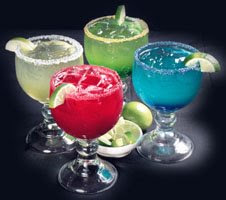
1)Margaritas

Margaritas
Margarita’s another very famous appetizer from the cuisine of Mexico, for making a perfect margarita there is no individual recipe, connoingsseurs around the world agree to the fact that there are 3 key ingredients which belong in every frosty salt-rimmed glass: they are
a)Tequila
b)orange liqueur
c)lime juice.

The tequila is taken up first, and a moderately-priced bottle is chosen for. Premium brands are not lucked up to because the superior flavor will be covered up by other ingredients. Orange liqueur is the next to go and there are various kinds you can use, from the more straightforward sweetness of triple sec or curacao to the rich complexity of Cointreau or Grand Marnier. The sweetness in a margarita comes from the orange liqueur. Now it’s the time for the lime juice, adding limes creates difference in taste. Time can be saved and mess at your fiesta, mix up your tequila, orange liqueur and lime juice in a big pitcher beforehand. When you're ready to make a batch of margaritas, just pour some of your magical mix over ice and blend or shake!

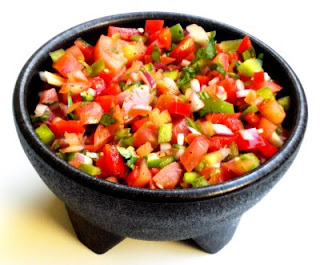
2)Salsas

Salsas
It’s a famous appetizer and at the same time its quite easy to make your own salsa. It's not difficult to do so, it becomes much fun if one has tasted the homemade salsa, you may never want store-bought again! Fresh home made salsa contains tomatoes, chilies, onions, garlic, cilantro, lime juice or vinegar, and salt. Tomatoes can be chopped; cored or cut. Core them and cut them into quarters, use a food processor in order to puree the tomatoes to the desired consistency. Roma tomatoes are generally used for a drier chunkier salsa whereas round tomatoes are taken up for a juicier salsa

Types of tomatoes to be used for making different salsas

Roma tomatoes for a drier, chunkier salsa and round tomatoes for a juicier salsa.
White onions; they taste better than yellow ones for eating raw.
Try some variations: replace the tomatoes with diced mangoes, cucumbers or tomatillos.
Try adding fresh, raw corn or a can of drained and rinsed black beans to your salsa.
Adjust the heat in your salsa by switching the kind of peppers you use. Anaheims are
Mild poblanos are a bit hotter, jalapenos a bit hotter still; serranos are even hotter, and habaneros will set your mouth on fire!


3) Fajitas
Fajitas

Fajitas have a mixed Mexican-American heritage. They were first made by Mexican and Texan cowboys, who developed this signature method for grilling the rations of skirt steak they received for the trail, although nowadays it's just as common to make fajitas with chicken, seafood or even tofu. There are two factors that give fajitas their distinctive flavor: the marinade and the cooking method. Fajita marinade always contains lime juice and garlic, and often onion, cilantro, oregano cumin, chiles and sometimes tequila. When it comes to cooking fajita meat, there's just no substitute for grilling. If you are using skirt steak, pound it thin, cook it no more than medium-rare and slice it across the grain for maximum tenderness. And don't forget -- no fajita feast is complete without sauteed onions and green peppers, pico de gallo, shredded cheese, guacamole, sour cream and a big pile of soft, warm flour tortillas.

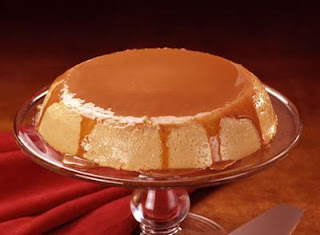
4) Flan

Flan
It’s a traditional Mexican dessert of creamy custard crowned with rich, toasty caramel looks complicated but is really uncomplex to make. In Many recipes call for individual custard cups, but if you don't have any you can just as easily use a pie pan and slice the flan into wedges for serving. Customize your flan recipe by replacing 1/4 cup of the milk with rum or your favorite liqueur, or try mixing in orange zest or shredded coconut. To provide gentle, even heat, flan recipes will ask you to bake the custard in a water bath -- a roasting pan full of water, in which you set the flan dishes. Bring the water to a boil before you pour it into the pan or it will take a very long time for the oven to heat it up. When it's done, the flan will be firm around the edges, but it will still be wobbly in the middle; the texture will even out as it cools.

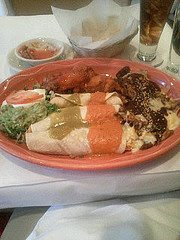
Veggie Quesadillas is a very loveable snack in Mexico.

Wednesday, May 27, 2009

MEXICO’S CUISINE – AZTEC

Aztec

Maize (corn) was the utmost vital staple in Aztec cuisine, a crop that was so important to Aztec society that it played a central part in their mythology. As in similar to wheat in Europe and rice in most of East Asia, it was such an important part of the meal that without which a meal was not regarded as a meal. It was available in an exquisite number of varieties dissentient in color, texture, size and prestige and was eaten like tortillas, tamales or atolli, maize gruel. Salt and chili, peppers were the other constants of Aztec food whereas the fundamental definition of Aztec fasting was to abstain from these two favorers. The other giant chunk were beans and New World varieties of the grains such as Amaranth (or pigweed), and chia. The unification of maize and these essential foods would have provided the average Aztec with a very well-rounded diet without any significant deficiencies in vitamins or minerals. The processing of maize called nixtamalization, the cooking of maize grains in alkaline solutions, also drastically increased the nutritional value of the common staple.

the most common drinks were water, maize gruels and pulque, the fermented juice of the century plant and there exited many different fermented alcoholic beverages made from honey, cacti and various fruits. The white collared took pride in not drinking pulque, a drink of commoners, and preferred drinks made from cacao. It was one of the most divine luxuries available, it was the drink of rulers, warriors and nobles and was flavored with chili peppers, honey and a seemingly endless list of spices and herbs.

The diet of Aztec included an impressive variety of animals; turkeys and various game, fowl, pocket gophers, Green iguanas, axolotls (a type of water salamander), shrimp, fish and a great variety of insects, larvae and insect eggs. They ate various mushrooms and fungi, including the parasitic corn smut, which grows on ears of corn. Squash was very popular and came in many different varieties. Squash seed, fresh, dried or roasted, were especially popular. Tomatoes, though different from the varieties common today, was often mixed with chili in sauces or as filling for tamales.

Monday, May 25, 2009

Scoop of Mexican food facts

Mexican food
Food from Mexico has always been taken up to be very hot & spicy. Well, that is partially true, Mexican food history is one such that depicts, that Mexico has given chocolate to the world, as well as several other specialities, including peanuts, vanilla, beans, coconuts and tomatoes.The ancestral and authentic cuisine of Mexico makes use of these indigence elements to produce delightful meals and with the arrival of specialities like pork, lamb, beef, wine, vinegar and cheese from Spain (brought by the conquerors), the Mexican cuisine evolved, by amalgamating these European elements into their own traditional meals.


Bottom line – Mexican food

1)Corn, is a very vital ingredient in Mexican food

2)The process of evolution of Mexican food continued as new products and techniques kept coming in time and again into Mexico from different places. It can be found that some recipes and ingredients have come originally from South America, the Caribbean and even Africa.

3)The Mexican cuisine finally met the cuisine from the north, and Tex-Mex food was created. Tex-Mex food is a blend of flavors and recipes from the Mexican, Texan and American culture. In present time’s different kinds of foods that Mexicans eat, from enchiladas, tacos and burritos to award-winning gourmet creations.


4)Aside from the foreign elements existing in Mexico’s nouvelle cuisine, the key ingredients remain the same, recipe after recipe. The most commonly used ingredient in Mexican food is corn. Like the ancient civilizations that dwelled in the region, Mexicans have learned how to cook almost every meal with corn. Corn flour is the main component involved in the preparation of the Mexican food, and corn is also used in many forms for a wide variety of meals, including candy.


5)Another typical ingredient is the chili, which has a strong, hot flavor. It is used to condiment various meals, and is the primary component of the Tabasco Hot Sauce. “Chili con Carne”, or Chilli and Meat, is a typical preparation involving Chili. It’s a sort of stew, with small pieces of meat and some vegetables all mixed together with hot Chili sauce.


6)Although the most famous products of the Mexican cuisine are the desserts. Mexican desserts combine hot elements and sweet elements to produce unique sensations on the mouth, because of both flavour and texture, and the combination of smells is also one of a kind.


7)Mexican candy is not only a piece of Mexican food, but also a piece of Mexican art. The “Calaveras de Azúcar”, or sugar skulls, are specially prepared for the Dia de los Muertos, the Day of the Dead. Corn-flavored candy is also a typical product.


“Every tourist will find Mexican cuisine to be an interesting choice. It is commonly said that visiting Mexico and not tasting Mexican food is like not visiting Mexico at all”.

Friday, May 22, 2009

Mexican cuisine outside of Mexico

Cuisine of Mexico is a type or style of food as they, originated in Mexico. Few dishes in this cuisine have a Spanish or Middle Eastern influence. This cuisine is known worldwide for its distinct and varied flavours, eye candy type decoration of the dishes, and variety of spices and ingredients used, many of which are native to the country.
This cuisine has generated its own fan following globally.
Authentic Mexican food was adapted and Americanized as "Tex Mex" (Texan-Mexican) cuisine.

Mexican cuisine also posed a strong influence over cuisine of the southwest United States and in California where their version of "Tex-Mex" is sometimes called Cal-Mex.

For example

Nachos
A) “Nachos“ :- are rarely eaten in Mexico, whereas they are widely popular all over the world.
Cuisine-style is what differs the six regions of Mexico, it is like that almost each region has parted country with separate cuisines. .

1) In the Yucatan: - a unique, natural sweetness (instead of spiciness) exists in the widely used local produce along with an unusual love for achiote seasoning.

2) In contrast, the Oaxacan region is known for their savory tamales and celebratory moles, while the mountainous regions of the West (Jalisco, etc) are known for goat birria (goat in a spicy tomato-based sauce).

Margaritas
B) “Margaritas” :- They come in a variety of flavours and colors.

Chimichanga”
C) “Chimichanga” :- A deep-fried burrito with origins in Arizona, is a Mexican-inspired dish popular in the United States and in other countries outside of Mexico

Locating Mexican Restaurants

These restaurants can be found in almost any town throughout North America, and in many cities around the world,
Mexican restaurants in different regions of world have different menus such as:-

1)Restaurants outside the American Southwest often feature non-traditional ingredients, such as grated American-style cheese, "nacho" cheese or tomato-based sauce substitutes for Mexican chile-based sauces or mole.

2)Texas, New Mexico, Arizona, California, Colorado, and parts of Florida and Illinois have large expatriate Mexican populations, and a variety of authentic Mexican restaurants can be found in these states.

3) In other areas of the United States and Canada, Mexican dishes and restaurants vary as much as Chinese restaurants and dishes do between China and many locations in the western Hemisphere.

New Mexico's long tradition of Mexican settlement and history and also the Native American influence as well, has given birth to a unique form of New Mexican cuisine. Even though many of the dishes vary from their Mexican counterparts, they are still considered "authentic" or "traditional" for New Mexican cuisine. Both Mexicans and New Mexicans typically find each other's cuisine somewhat similar, yet unfamiliar, and non-traditional, typically missing the true taste that they desire. Mexican restaurants rarely initiate for specializing in New Mexican cuisine found outside of New Mexico except in the state of Colorado.

Reblog this post [with Zemanta]

Tuesday, May 12, 2009

Mexican food festival in May and June 2009

Mexican food feast

Following is the list of Mexican food festival for the May and June 2009. Possibly no other country in the world has as many festivals, fairs and feast days as Mexico. People of mexico are found of eating.Mexican food is famous in all over the world. So if you will get a chance to eat Mexican food, then go ahead don't miss the chance.

Following are the date of food feast:-

May 1-10th
(Mayo)

Its a Rosario, Sinaloa, Regional Fruit, Vegetable and Salsa Fair.
This is the town which produce hot sauces, which is used in Mexican food.They are celebrating the food which are produce in that area and some variety of salsa food also.

Venue:-Resort town of Mazatlan


May 15-31st

Its a Escárcega, Campeche, Feria del Arroz- Rice Festival.

An authentic food festival really begins. If you come here you will really enjoy the food.

Venue:-Gateway to the Maya Route.


May 20-28th

It is Tequisquiapan, Queretaro, National Wine and Cheese Fair.

You will enjoy mexican wines and cheese in this feast. And some delicious local food of mexico.

Venue:- It is a little town, 12 miles from San Juan del Rio and easily accessible from the Mexico-Queretaro toll highway.


May 22-30th

It is Loma Bonita, Oaxaca, Feria de la Piña- Pineapple Festival.

This town is known for its very sweet and juicy pineapples, and is a center for processing the fruit for worldwide exportation.This town distributes the fruits in all over the Mexico.

Venue:- Located in an area of lush tropical vegetation 20 miles from Cosamaloapan, Veracruz.

JUNE
Junio)

June 18

It is Papantla, Veracruz, Festival de Vainilla, Vanilla Festival.

Here you will find both regional food and beverages, small animal figures and baskets woven from vanilla bean pods, sachets and vanilla essence.

Venue:-Only 6 miles from the prehispanic ruin site of El Tajin, with its famous pyramid of 365 windows.

Friday, May 1, 2009

History of mexican food

Mexican food

Mexican cuisine is a style of food that originated in Mexico. Some dishes have a Spanish or Middle Eastern influence. Mexican cuisine is known for its varied flavors, colorful decoration, and variety of spices and ingredients. The history of Mexican food is a long and diverse one. It is believed that authentic Mexican food might have been derived from the Mayan Indians. They were traditionally hunters and gatherers. Corn tortillas with bean paste were a common food item; but they also ate wild game, tropic fruits, and fish.You could say that corn and beans are the two main foods of Mexicans,but rice is equally important and Mexico's rice harvest is abundant. and much of Mexican cuisine is based on these ingredients.The Mexican cuisine is varied and rich.


In 1521 Spain invaded Mexico. Spanish foods had the most influence on the Mexican cuisine. They introduced new stuff to eat, such as sheep, pigs and cows. They brought with them dairy products, and garlic as well as many different herbs, wheat and spices. Mexican dishes varies from region to region, because of local climate and geography and differences among the inhabitants . The north of Mexican's love to eat beef, goat and ostrich production and meat dishes, in particular the well-known Arrachera cut.

Mexican food

Barbacoa, pozole, menudo and carnitas are famous in Central Mexico.

Southeastern Mexico, on the other hand, is known for its spicy vegetable and chicken-based dishes. Seafood is commonly prepared in the states that border the Pacific Ocean or the Gulf of Mexico, the latter having a famous for its fish dishes.

Mexican food


In modern times, other cuisines of the world have become very popular in Mexico, thus adopting a Mexican fusion. For example, sushi in Mexico is often made with a variety of sauces based on mango or tamarind, and very often served with serrano-chili blended soy sauce, or complimented with habanero and chipotle peppers. mostly using hot spices in many dishes such as menudo and pozole.In Mexico, it is very unusual to put cheese in tacos or tostadas.